
Hoola van Nooten, Royal Poinciana Botanik, 1880, Chromolithograph
€112.65
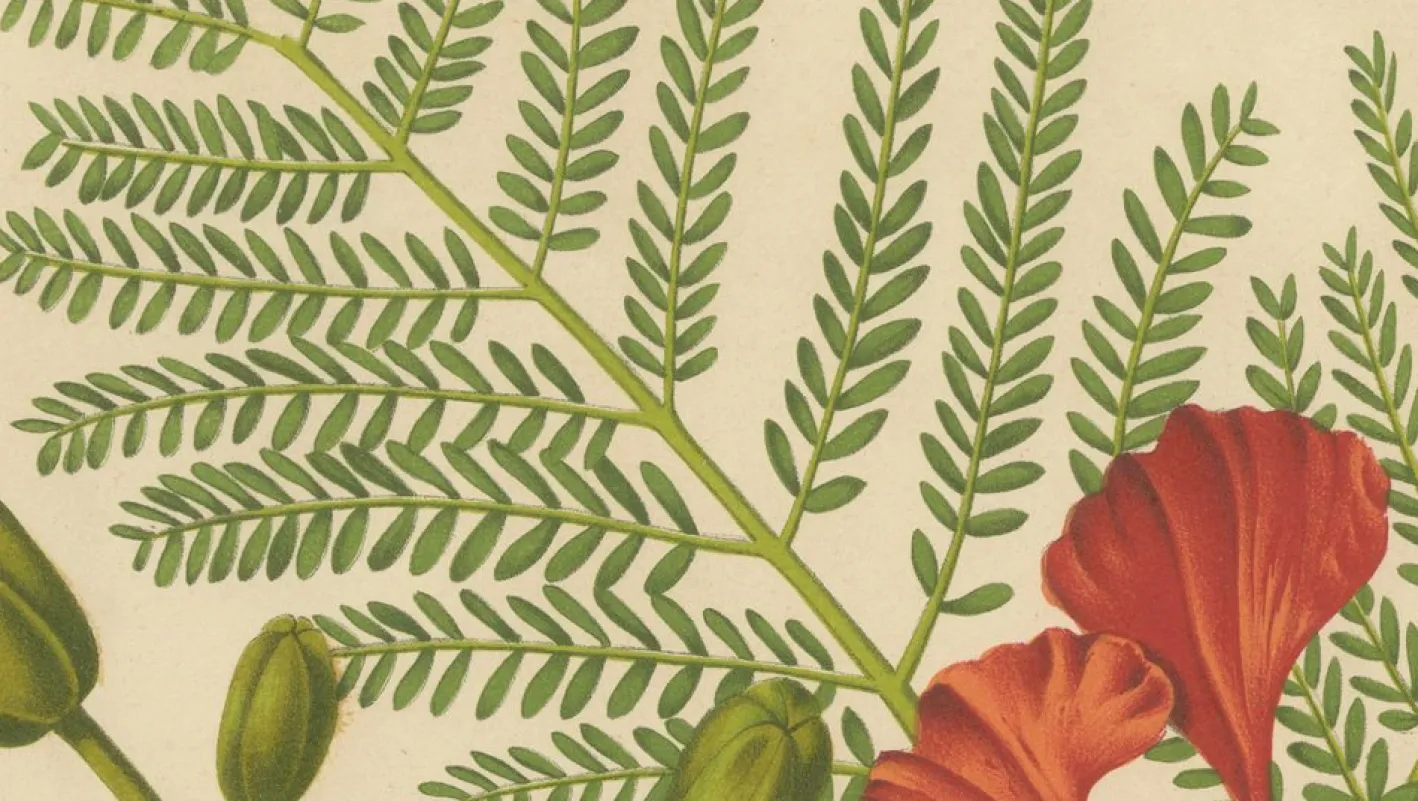
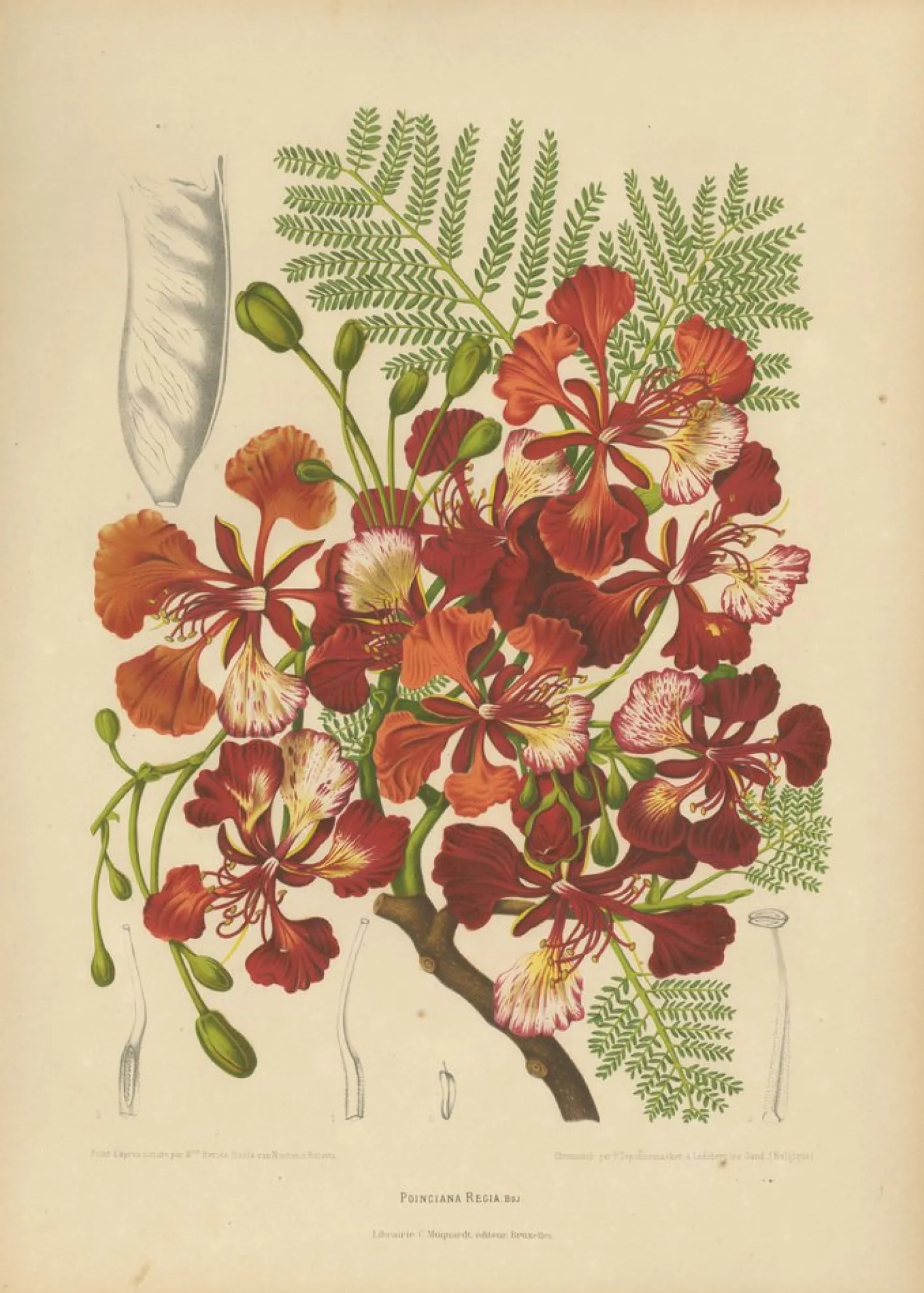
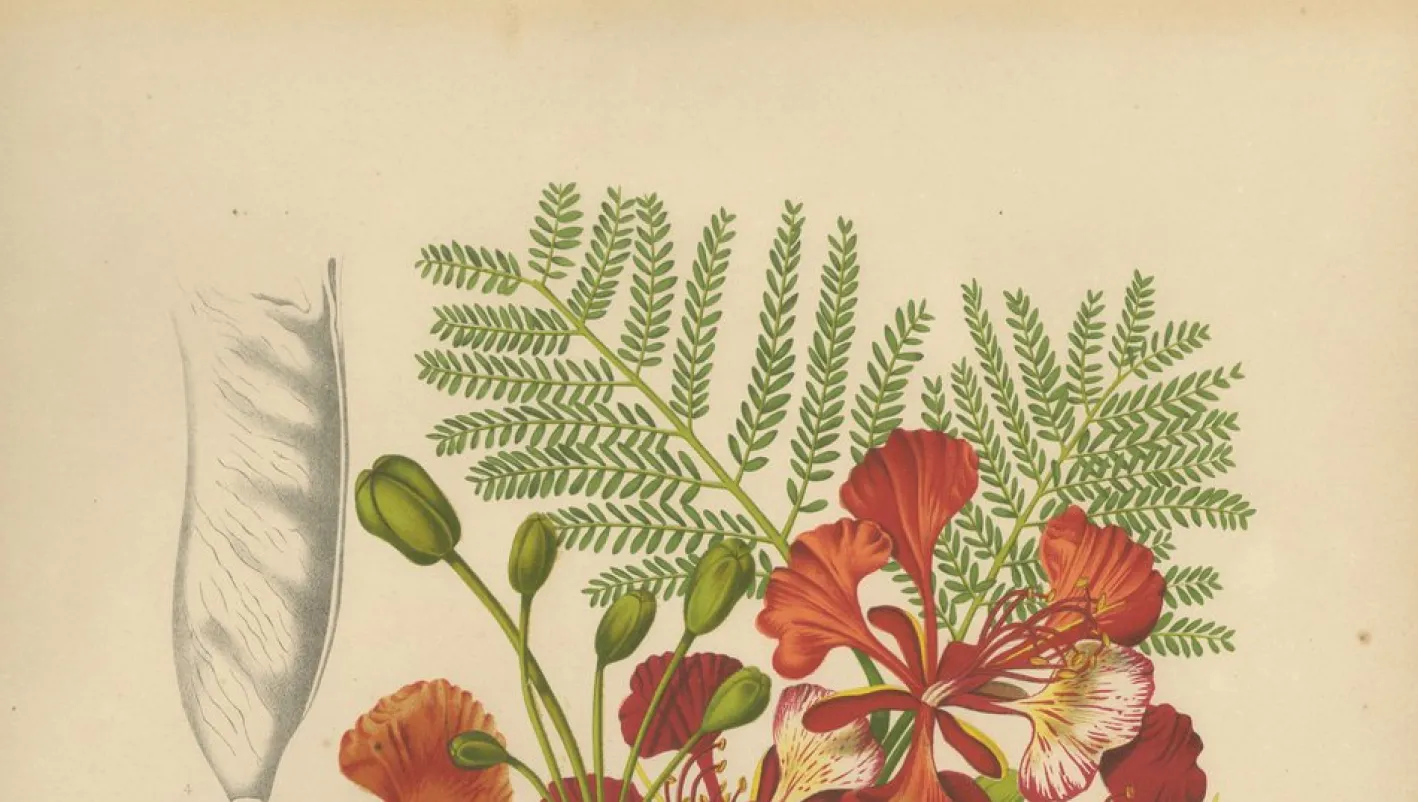
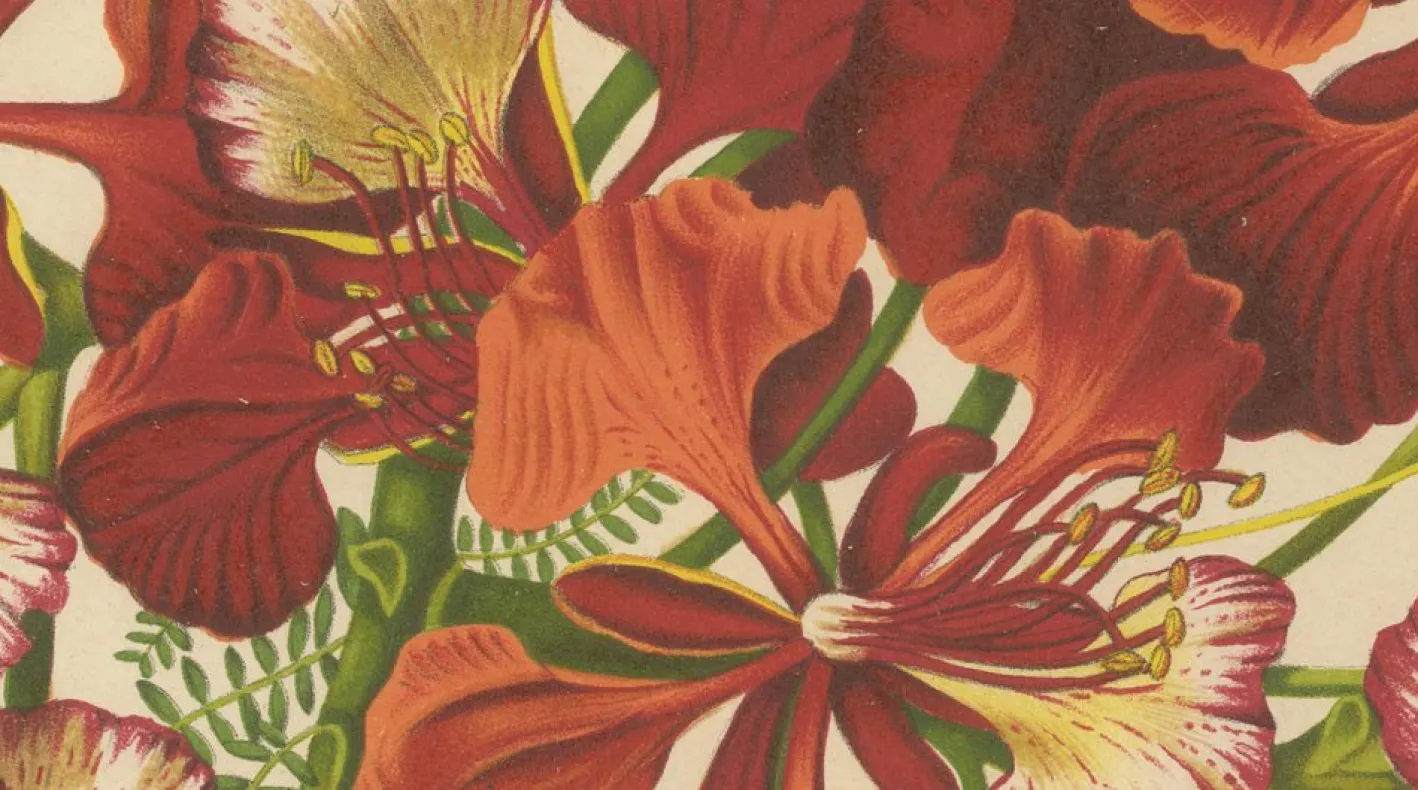
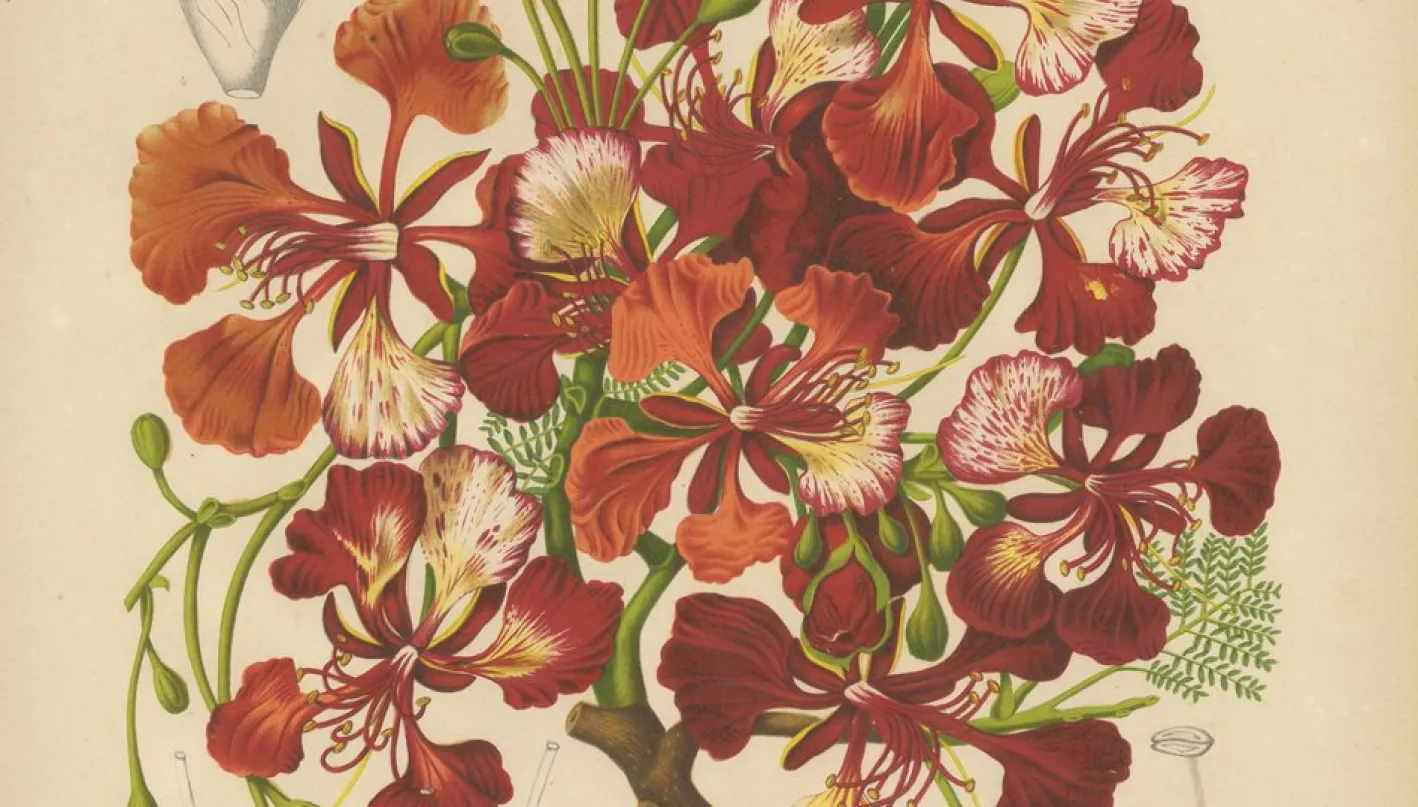
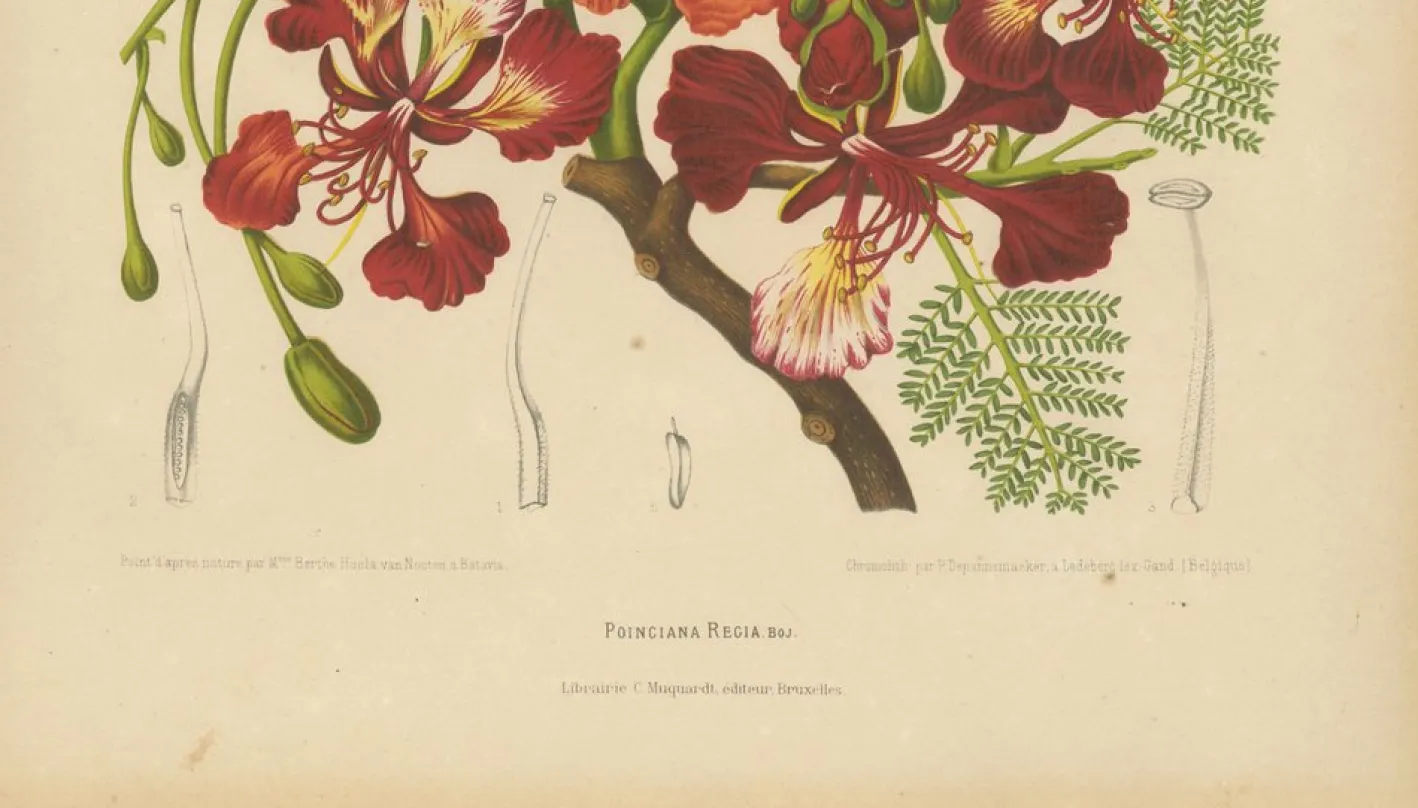
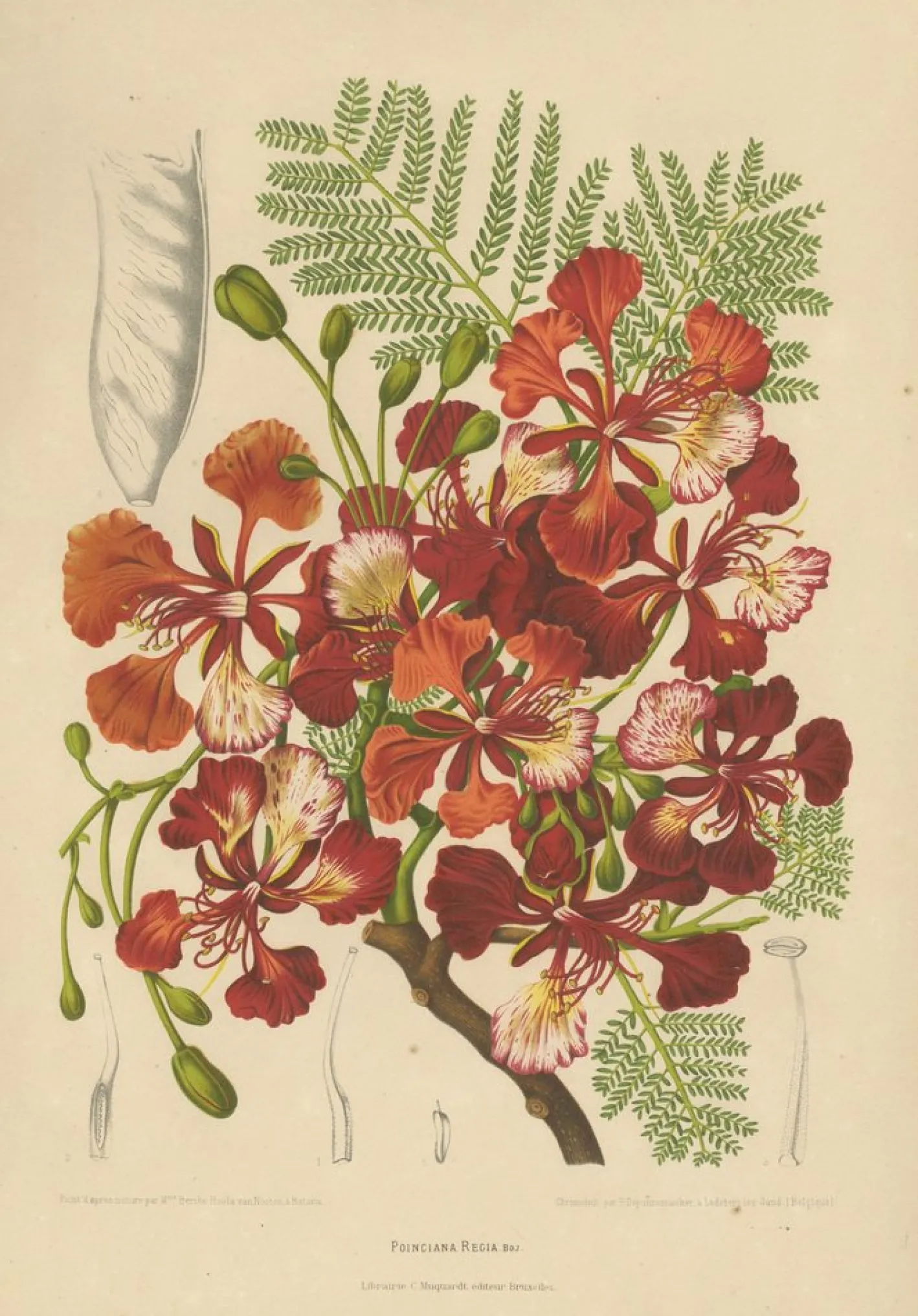
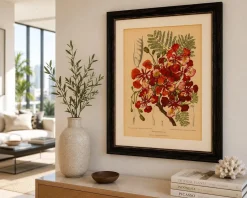
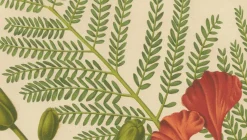
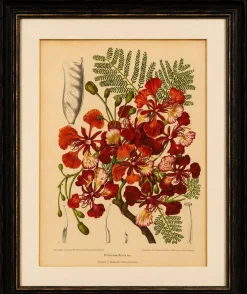
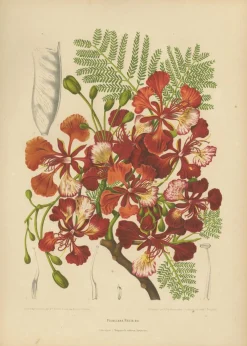
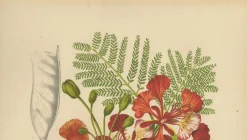
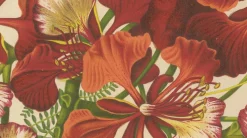
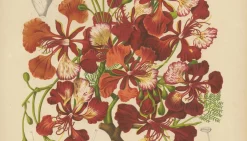
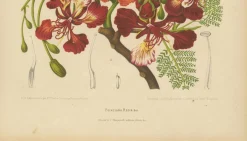
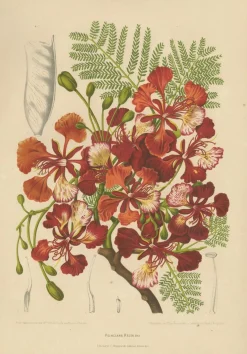
Title: Antique Royal Poinciana Botanical Chromolithograph by Hoola van Nooten, c. 1880 : A magnificent original antique botanical chromolithograph depicting Poinciana regia Boj., now classified as Delonix regia, commonly known as the Royal Poinciana, Flamboyant Tree, Flame Tree, or Peacock Flower Tree. Celebrated as one of the world’s most spectacular flowering trees, it is renowned for its brilliant scarlet-orange blossoms that transform entire avenues and landscapes into a blaze of colour during the flowering season. Native to Madagascar, the Royal Poinciana was introduced throughout the tropical world during the nineteenth century and became one of the most admired ornamental trees in Indonesia, the Dutch East Indies, and Southeast Asia. Its graceful fern-like foliage and dazzling flowers have made it an enduring symbol of tropical gardens and grand colonial estates. The composition beautifully illustrates a flowering branch laden with magnificent blossoms together with finely executed botanical studies of the floral structure. The brilliant crimson and orange flowers, contrasted against the delicate feathery foliage, create one of the most vibrant and decorative plates from Berthe Hoola van Nooten’s celebrated botanical masterpiece. The artwork was painted from life on the island of Java by the distinguished Dutch botanical artist Berthe Hoola van Nooten (1817–1892). It was published in her masterpiece, Fleurs, Fruits et Feuillages Choisis de l’Ile de Java, widely regarded as one of the finest nineteenth-century botanical publications devoted to the flora of the Dutch East Indies. Printed in rich chromolithography by P. De Pannemaeker of Ghent, this plate was issued in the third edition published in Brussels by Librairie Européenne C. Muquardt around 1880. Today, the Royal Poinciana is one of the world’s most iconic flowering trees and is extensively planted throughout tropical Asia, the Caribbean, Africa, Australia, and the Americas. This original antique print combines botanical importance with exceptional decorative beauty and is among the most spectacular flowering subjects in the Hoola van Nooten series. This is an original antique print, printed circa 1880, and not a modern reproduction or later copy. Artist: Berthe Hoola van Nooten (1817–1892) Publication: Fleurs, Fruits et Feuillages Choisis de l’Ile de Java Publisher: Librairie Européenne C. Muquardt, Brussels Printer: P. De Pannemaeker, Ghent Date: Circa 1880 Medium: Original chromolithograph on wove paper. Condition: Good antique condition with age-related toning, occasional foxing and light handling wear consistent with age. Please examine all photographs carefully, as they form part of the . Please note that any framed images are for display inspiration only. The print is sold unframed. Framed mock-ups are not always shown to exact scale and are intended solely to illustrate how the artwork may look when displayed. Keywords original antique print, original chromolithograph, botanical print, Delonix regia, Poinciana regia, Royal Poinciana, Flamboyant Tree, Flame Tree, Peacock Flower Tree, tropical flowering tree, scarlet flowers, orange flowers, Madagascar, Indonesia, Java, Dutch East Indies, Berthe Hoola van Nooten, Victorian botanical illustration, nineteenth century botanical print, antique botanical wall art, natural history print, scientific illustration, P. De Pannemaeker, Muquardt Brussels, museum quality botanical art, rare botanical print, collectible botanical print, circa 1880 The Royal Poinciana is one of the most spectacular flowering trees ever introduced into the tropics. Its extraordinary floral display, worldwide recognition, and outstanding decorative composition place this plate among the finest in the entire Hoola van Nooten series, alongside Amherstia nobilis, Durian, Buddha’s Hand Citron, Mango, Cacao, and Red Heliconia.
Titel: Antike botanische Chromolithografie der Königlichen Poinciana von Hoola van Nooten, um 1880: Eine prächtige originale antike botanische Chromolithografie, die Poinciana regia Boj. darstellt, heute klassifiziert als Delonix regia, allgemein bekannt als Königliche Poinciana, Flamboyant-Baum, Flammenbaum oder Pfauenblumenbaum. Als einer der spektakulärsten blühenden Bäume der Welt gefeiert, ist er bekannt für seine leuchtend scharlachroten und orangefarbenen Blüten, die während der Blütezeit ganze Alleen und Landschaften in ein Farbenmeer verwandeln. Die auf Madagaskar beheimatete Königliche Poinciana wurde im 19. Jahrhundert in den gesamten Tropen eingeführt und entwickelte sich zu einem der am meisten bewunderten Zierbäume in Indonesien, Niederländisch-Indien und Südostasien. Ihr anmutiges, farnartiges Laub und ihre schillernden Blüten haben sie zu einem beständigen Symbol tropischer Gärten und prächtiger Kolonialanwesen gemacht. Die Komposition zeigt auf wunderschöne Weise einen blühenden Zweig, der mit prächtigen Blüten behangen ist, zusammen mit fein ausgeführten botanischen Studien der Blütenstruktur. Die leuchtend purpurroten und orangefarbenen Blüten, die einen Kontrast zum zarten, federartigen Laub bilden, schaffen eine der lebendigsten und dekorativsten Tafeln aus Berthe Hoola van Nootens gefeiertem botanischem Meisterwerk. Das Kunstwerk wurde von der angesehenen niederländischen Botanikkünstlerin Berthe Hoola van Nooten (1817–1892) nach der Natur auf der Insel Java gemalt. Es erschien in ihrem Meisterwerk „Fleurs, Fruits et Feuillages Choisis de l’Ile de Java“, das weithin als eine der besten botanischen Publikationen des 19. Jahrhunderts gilt, die der Flora von Niederländisch-Indien gewidmet ist. Diese in reichhaltiger Chromolithografie von P. De Pannemaeker aus Gent gedruckte Tafel erschien in der dritten Auflage, die um 1880 in Brüssel von der „Librairie Européenne C. Muquardt“ herausgegeben wurde. Heute ist die Königliche Poinciana einer der weltweit bekanntesten blühenden Bäume und wird in ganz tropischem Asien, der Karibik, Afrika, Australien und Amerika in großem Umfang angepflanzt. Dieser originale antike Druck verbindet botanische Bedeutung mit außergewöhnlicher dekorativer Schönheit und zählt zu den spektakulärsten blühenden Motiven in der Serie von Hoola van Nooten. Es handelt sich um einen originalen antiken Druck aus der Zeit um 1880 und nicht um eine moderne Reproduktion oder spätere Kopie. Künstlerin: Berthe Hoola van Nooten (1817–1892) Veröffentlichung: Fleurs, Fruits et Feuillages Choisis de l’Ile de Java Verlag: Librairie Européenne C. Muquardt, Brüssel Drucker: P. De Pannemaeker, Gent Datum: Um 1880 Medium: Original-Chromolithografie auf Büttenpapier. Zustand: Guter antiker Zustand mit altersbedingter Verfärbung, vereinzelten Stockflecken und leichten Gebrauchsspuren, die dem Alter entsprechen. Bitte prüfen Sie alle Fotos sorgfältig, da sie Teil der Beschreibung sind. Bitte beachten Sie, dass gerahmte Abbildungen lediglich als Inspiration für die Präsentation dienen. Der Druck wird ungerahmt verkauft. Gerahmte Darstellungen sind nicht immer maßstabsgetreu und dienen ausschließlich dazu, zu veranschaulichen, wie das Kunstwerk bei der Präsentation aussehen könnte. Stichworte: Original-Antikdruck, Original-Chromolithografie, botanischer Druck, Delonix regia, Poinciana regia, Königliche Poinciana, Flamboyant-Baum, Flammenbaum, Pfauenblütenbaum, tropischer Blütenbaum, scharlachrote Blüten, orangefarbene Blüten, Madagaskar, Indonesien, Java, Niederländisch-Ostindien, Berthe Hoola van Nooten, viktorianische botanische Illustration, botanischer Druck aus dem 19. Jahrhundert, antike botanische Wandkunst, naturhistorischer Druck, wissenschaftliche Illustration, P. De Pannemaeker, Muquardt Brüssel, botanische Kunst in Museumsqualität, seltener botanischer Druck, sammelwürdiger botanischer Druck, um 1880 Die Königliche Poinciana ist einer der spektakulärsten blühenden Bäume, die jemals in die Tropen eingeführt wurden. Ihre außergewöhnliche Blütenpracht, ihre weltweite Bekanntheit und ihre herausragende dekorative Gestaltung machen diese Tafel zu einer der schönsten der gesamten Hoola-van-Nooten-Reihe, neben Amherstia nobilis, Durian, Buddha-Hand-Zitrone, Mango, Kakao und Roter Heliconia.
Klicken Sie hier für die vollständige BeschreibungSchließen
| Produktionszeitraum | Vor 1890 |
|---|---|
| Hergestellt in | Belgien |
| Stil | Realismus |
| Zustand | Sehr gut — Dieser Vintage/antike Artikel hat keine Mängel, kann jedoch leichte Gebrauchsspuren aufweisen. |
| Artikelnummer | YFW-2602866 |
| Details über Schäden und Restaurierungen |
Altersbedingte Verfärbungen, vereinzelte Stockflecken und leichte Gebrauchsspuren
Age-related toning, occasional foxing and light handling wear
Automatisch generierte Übersetzung |
| Material | Papier |
| Farbe | Purpurrot, Gold, Limettengrün, Orange, Rot |
| Breite | 40 cm 40 cm |
| Tiefe | 1 cm 1 cm |
| Höhe | 56 cm 55.5 cm |
Schreibe die erste Bewertung für „Hoola van Nooten, Royal Poinciana Botanik, 1880, Chromolithograph“
Ähnliche Produkte


Abstraction
Druckgraphiken Und Multiples




Kollektionen
Artur Debat, Surreal Minimal Architecture mit Geometric Volumes und Psychedelic Colors, Fotografie


Abstrakte Notizen



Impressionismus
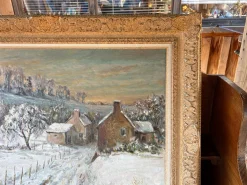
Großes Victor Zolnierowicz, Winterlandschaft, 1950er Ölgemälde auf Leinwand, gerahmt



Bewertungen
Es gibt noch keine Bewertungen.